The historical evolution of gambling A deep dive with chicken road game
The Origins of Gambling
The practice of gambling can be traced back thousands of years, with evidence of betting activities discovered in ancient China, Greece, and Rome. Initially, gambling was often tied to religious rituals or societal events, as communities sought to engage in games of chance for both entertainment and prediction of future events. As societies evolved, so did the forms and structures of these betting activities, leading to more organized and formalized gambling practices. Engaging in the chicken road game reflects how modern gaming draws from this rich history.

In the early days, gambling involved simple games with rudimentary rules, often using items like dice or small stones. Over time, these early activities transformed into more complex games, culminating in the birth of various betting systems that laid the groundwork for modern casinos and gambling establishments.
The Rise of Casinos
The establishment of casinos marked a pivotal moment in the history of gambling. The first recognized casino, the Ridotto, opened in Venice in 1638, offering a controlled environment where players could engage in games of chance. This innovation quickly spread across Europe and eventually made its way to America, where the Gold Rush catalyzed the proliferation of gambling establishments.
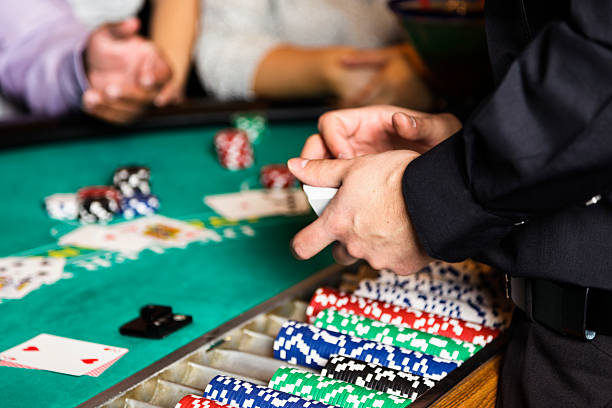
Casinos not only provided a venue for gambling but also became social hubs where people gathered to share experiences and excitement. The elegance and allure of these establishments attracted individuals from various walks of life, further embedding gambling into the cultural fabric of society.
The Psychological Aspects of Gambling
The psychology of gambling is a fascinating subject that delves into the motivations and behaviors of gamblers. Many individuals are drawn to gambling due to the thrill of risk-taking and the potential for reward, which can create a sense of excitement and elation. The unpredictable nature of games like Chicken Road, where players make quick decisions to cash out before a crash, epitomizes the psychological rush that many seek in gambling.
This psychological engagement can lead to a deeper understanding of why people gamble. Factors such as social interaction, the allure of winning, and even escapism play significant roles in attracting individuals to gambling environments. As the industry continues to evolve, understanding these psychological underpinnings is crucial for creating safe and responsible gambling practices. Moreover, the immersive experience offered by the chicken road game serves to deepen this connection.
The Impact of Technology on Gambling
The advancement of technology has significantly reshaped the gambling landscape. The rise of online casinos and mobile gaming platforms has made gambling more accessible than ever before. Players can engage in games like Chicken Road from the comfort of their homes, making quick decisions and enjoying the rush without the need to visit a physical casino.
This technological shift has also introduced new gaming experiences, incorporating elements like virtual reality and live dealer games that enhance user engagement. As the digital age progresses, the gambling industry continues to adapt, providing innovative and immersive experiences that attract a diverse array of players.
Exploring
The chicken road game serves as an intriguing example of how modern gambling has evolved to captivate players. This engaging crash-style arcade game challenges players to navigate a whimsical world while making strategic decisions about when to cash out. The fast-paced nature of the game not only entertains but also mirrors the psychological thrill often associated with traditional gambling.
As players guide their quirky chicken through various rounds, they experience the blend of risk and reward that defines many gambling activities. This game showcases how contemporary gaming can draw on traditional gambling elements while offering a unique experience that appeals to both seasoned gamblers and newcomers alike.